
Orchard Tile Match
What players say
Orchard Tile Match stands out by prioritizing thoughtful play over frantic action. The no-timer design lets players fully engage with spatial puzzles, making each move deliberate. The colorful fruit graphics are pleasant and clear, aiding quick recognition. Difficulty scales naturally, offering a satisfying challenge without frustration. It is an excellent choice for puzzle fans seeking a relaxing yet mentally stimulating experience.
How to play
Core Gameplay Loop
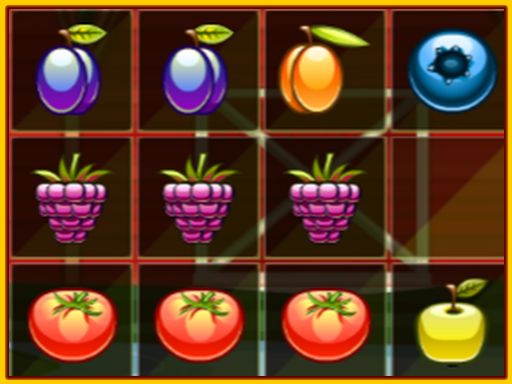
Orchard Tile Match presents a straightforward yet engaging challenge. Players receive a set of fruit-themed tiles at the bottom of the screen. The objective is to drag each tile onto a 10x10 grid, aiming to fill an entire row or column. Successfully completing a line removes those tiles, awards points, and opens up space for more placements. The game continues until no remaining tiles can be positioned on the board.
Strategic Depth Without Pressure
Unlike many puzzle games that rely on speed, Orchard Tile Match removes the timer entirely. This design choice allows players to think through each move carefully. As the grid fills, spatial awareness becomes crucial. Players must anticipate how future tiles will fit, making decisions that balance immediate gains with long-term board management. The absence of a clock makes it suitable for both quick sessions and extended play.
Visual Design and Theme
The game employs a cheerful fruit aesthetic with colorful, easy-to-distinguish tiles. Each fruit type is represented with clear, friendly graphics that are gentle on the eyes. The visual style supports the relaxed tone, avoiding busy or distracting elements. This approach makes the game accessible to younger players while remaining pleasant for adults seeking a low-stress activity.
Progression and Challenge
As players improve, the game gradually introduces more complex tile shapes and arrangements. Early rounds may feature simple blocks, but later stages require more thoughtful placement. This natural difficulty curve keeps the experience engaging without becoming frustrating. Regular play helps develop pattern recognition and planning skills, rewarding consistent practice with higher scores.








Comments
Sign in to comment
You must be logged in before posting a review or rating.
No account? Create one
No comments yet. Be the first to comment!